

Get a number on your job
Tell us what it is. We come out and look before we price it.
Or call (951) 533-8821 · License 1137822
Concrete, done once.
Fourth-generation concrete contractor out of Hemet. Driveways, patios, slabs, foundations and commercial flatwork across Southern California. 32 years on the tools and a license to back it.
Talk to us about the job

What a slab is made of
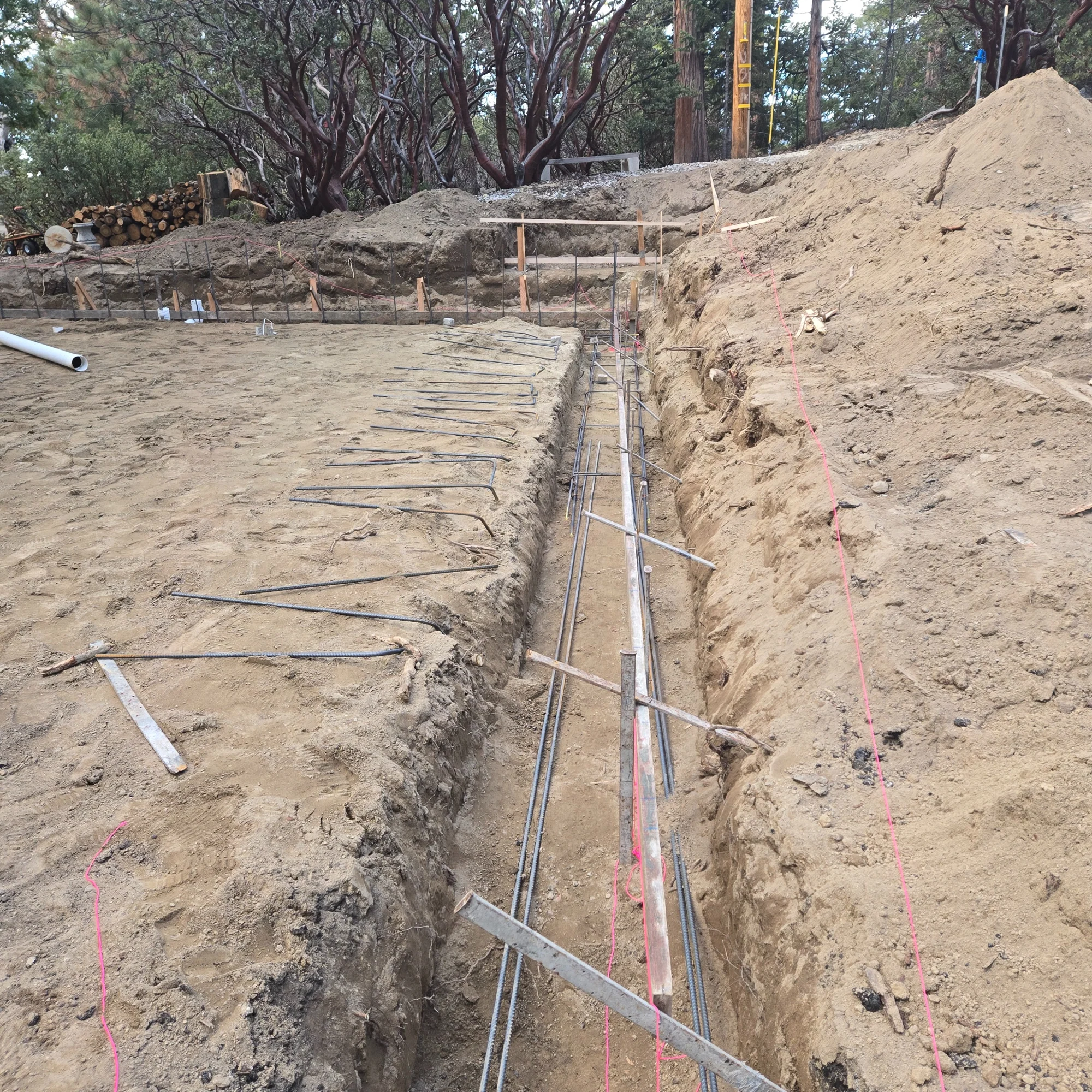
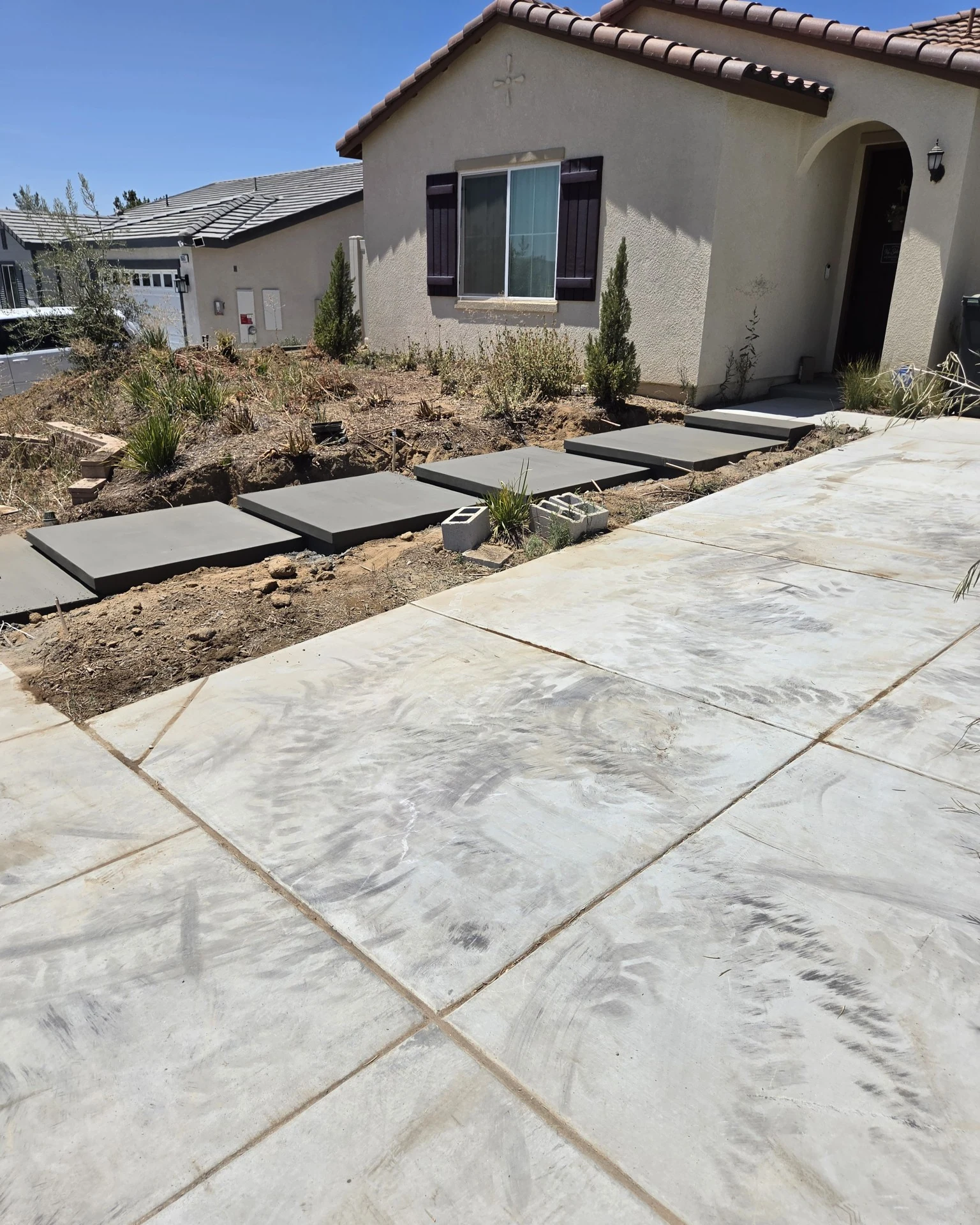
The ground under everything
Every slab is only as good as what it sits on. Soft spots get found and fixed now, because they will find you later as a crack. In the expansive clay around Hemet this is the whole design.

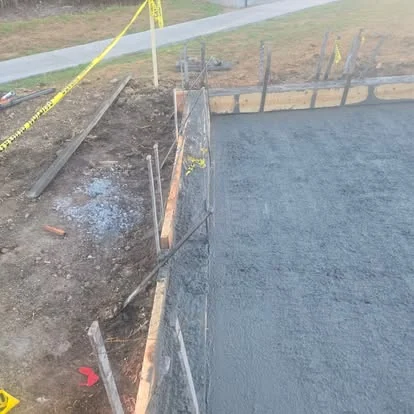
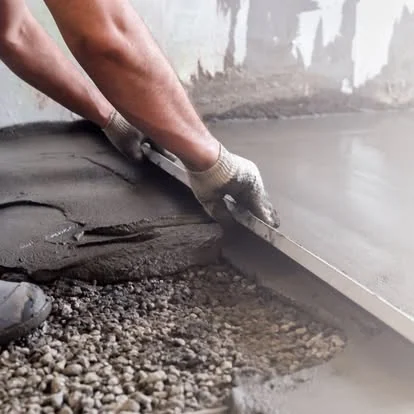
Aggregate, placed in lifts
Base spreads the load and gives water somewhere to go. It works when it is the right gradation, placed in controlled layers, and compacted. Dumped and raked flat is not base.

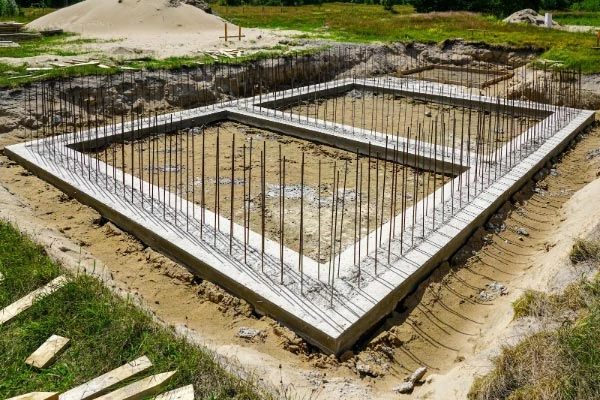
Reinforcement where the drawing says
Rebar only works where it actually is. Cover, spacing and lap length are specified and checked before the pour. Steel lying on the dirt does nothing at all.
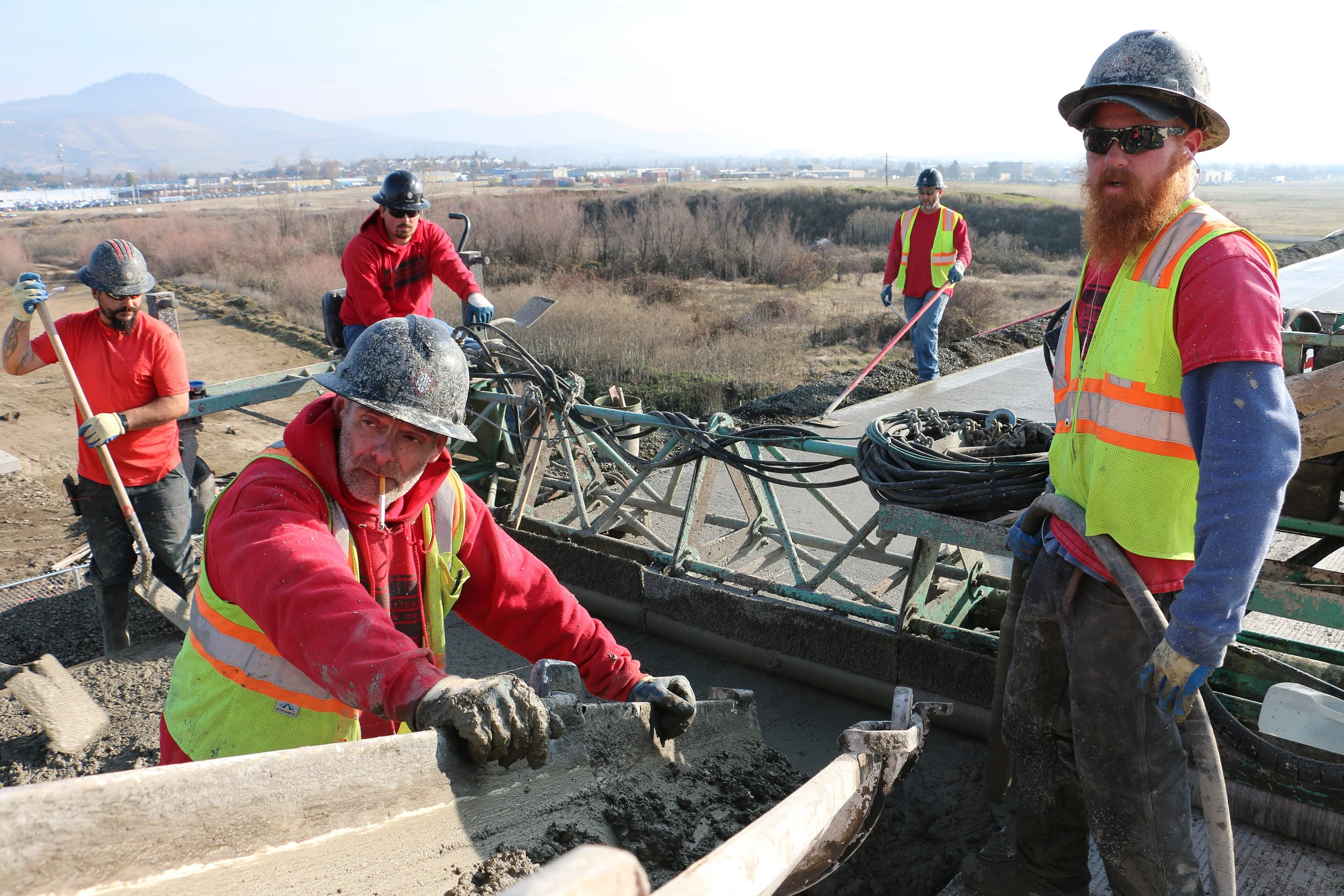
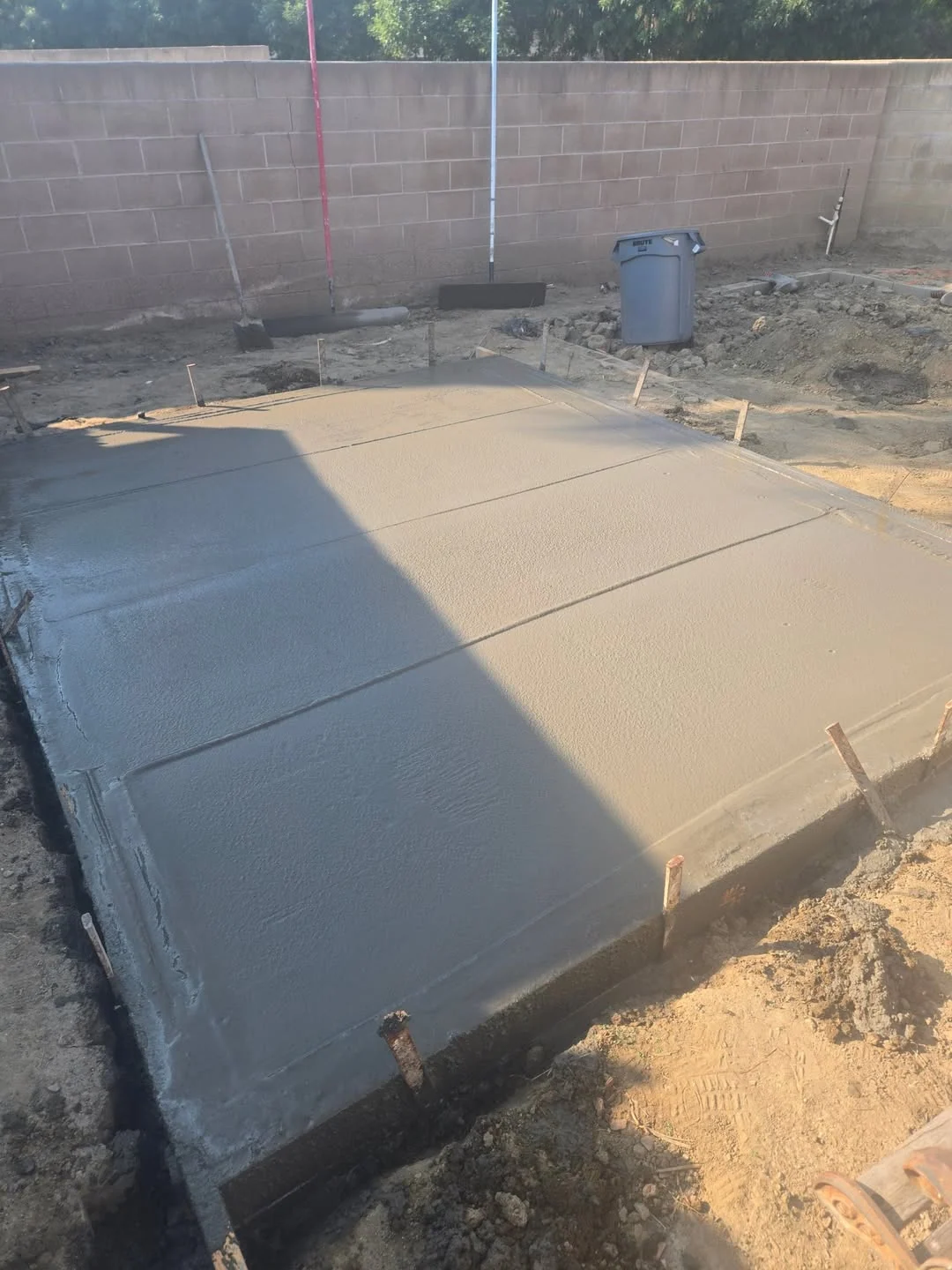
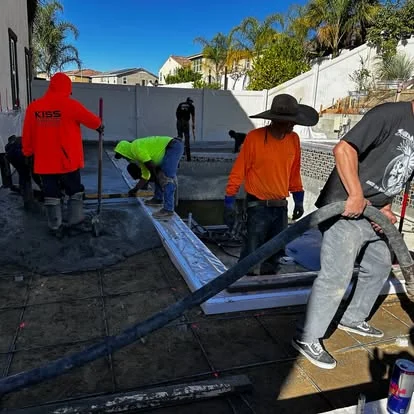
Placed, consolidated, finished on time
The pour is the short window where everything set up beforehand either works or does not. Finishing happens on the concrete’s schedule. Knowing when to start is the trade.
We tell you what it needs
Including when that is less than you expected. If a slab is sitting flat and the base is stable, a crack is a repair, not a replacement. The honest answer is sometimes the cheaper one and we would rather give it than sell work that is not there.
One crew, start to finish
The same people who form it pour it and finish it. There is no handoff where the details get lost, and there is nobody to blame if a joint is in the wrong place.
Fourth generation, and it shows in the boring parts
32 years in the trade is mostly knowing when to start floating, where a crack is going to want to go, and which slab is telling you the ground moved. None of that is visible in a finished job, which is exactly the point.
Residential

Concrete Driveways
The slab that carries a car every day of its life.
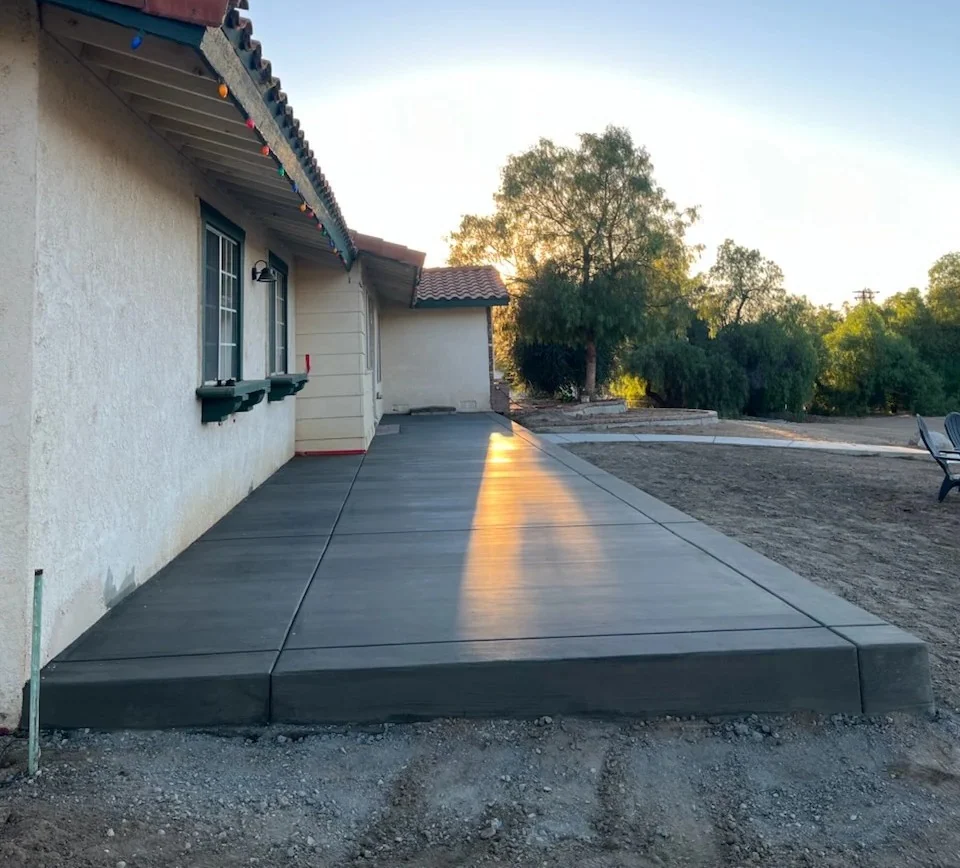
Concrete Patios
The outdoor room that starts as a flat pour.
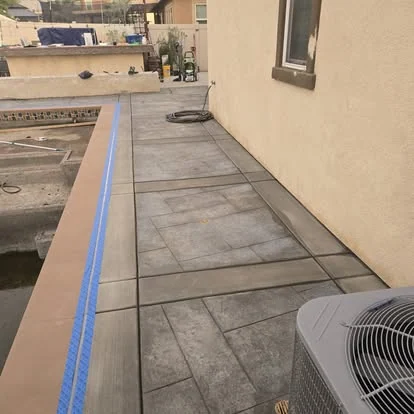
Stamped Concrete
Texture pressed into the slab while it is still open.
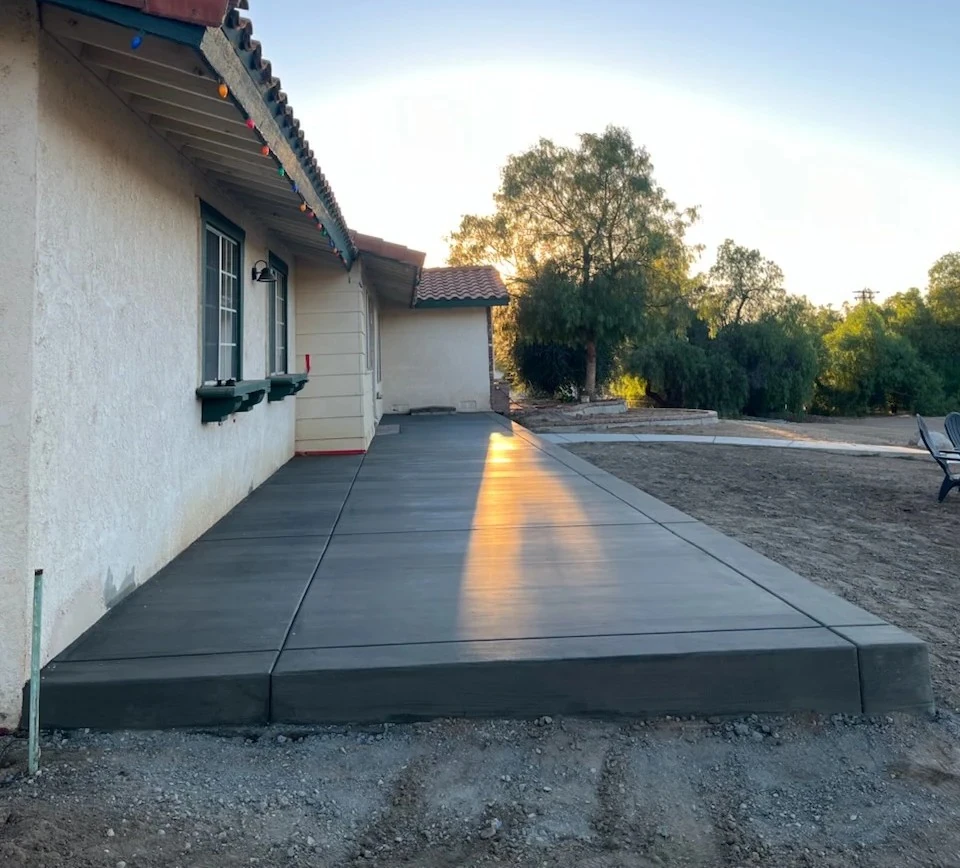
Concrete Pool Decks
Wet feet, chemicals, and sun all year.

Garage Floors
Hot tires, dropped tools, and whatever ran off the car.
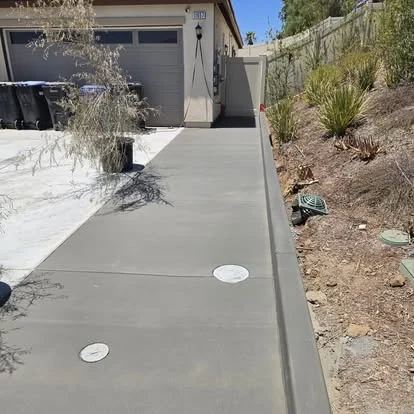
Concrete Repair
Fix the concrete that is worth fixing.
Commercial

Commercial Concrete Flatwork
Flatwork built to a plan set and an inspection.
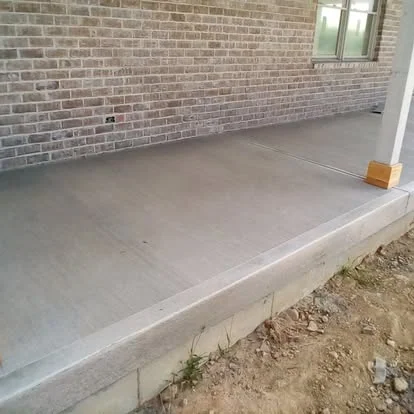
Concrete Parking Lots
Concrete instead of asphalt, for the life of it.
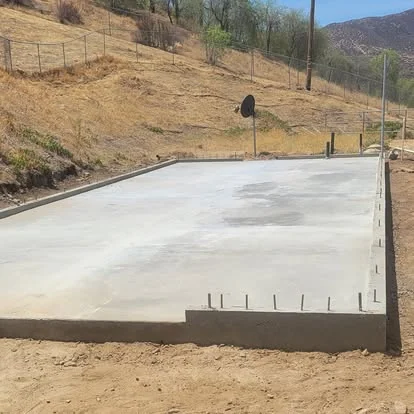
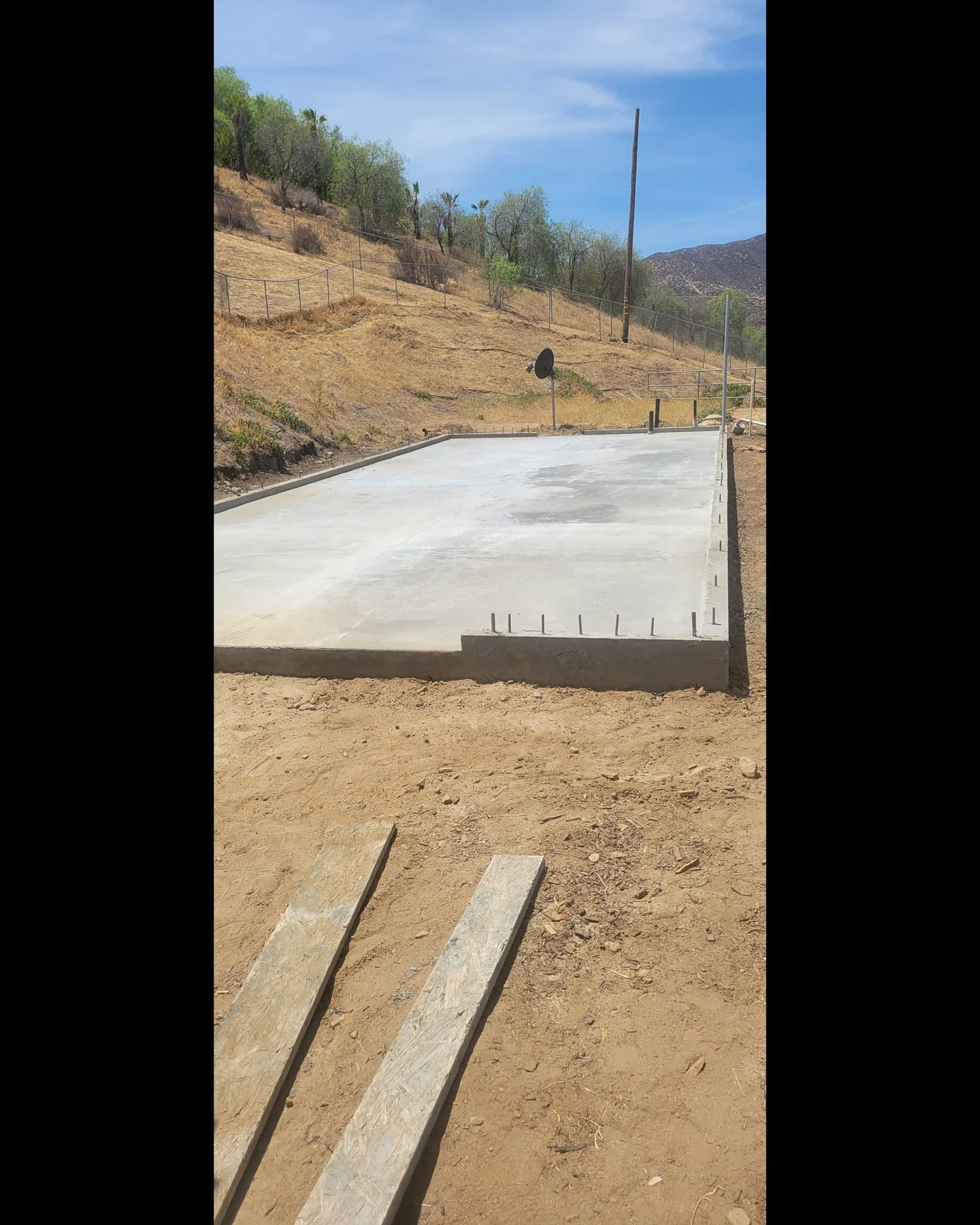
Concrete Foundations
Everything above it depends on this.

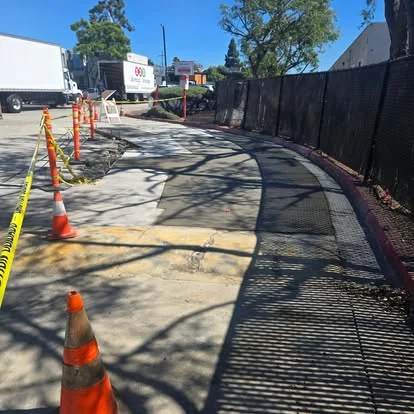
ADA Concrete Ramps
Built to the slope the tape measure will confirm.
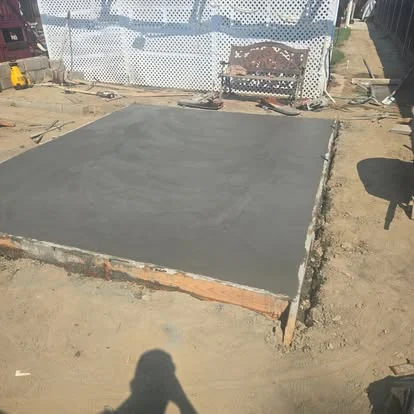
Warehouse Floors
Flat enough for racking and hard wheels.

Tilt-Up Concrete
Panels cast flat on the slab, then stood up.
Poured by this crew
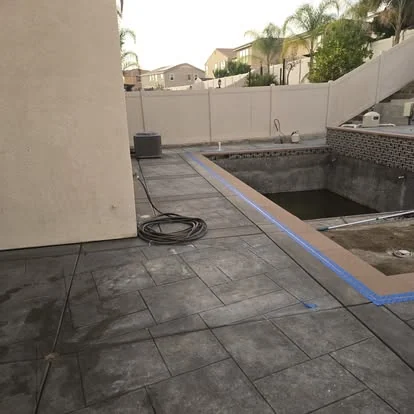
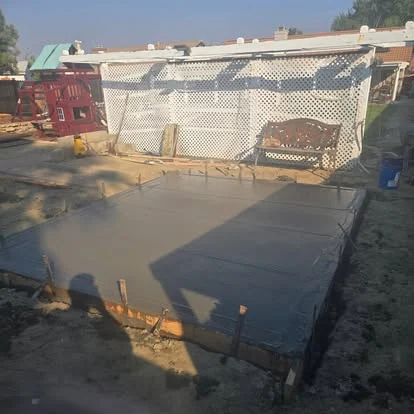
Houses, businesses and tribal land
Homeowners
Most of what we pour is at somebody’s house. Driveways, patios, walkways, pool decks, the slab for a shed or a garage. People who own the place and plan to stay want it done once, and that is the kind of work we built this company on.
Commercial and industrial
Parking areas, loading pads, sidewalks, curb and flatwork around buildings that trucks and people use every day. The prep is the same idea as a driveway, only heavier and checked harder, and the schedule usually belongs to somebody else. Tell us the hours the site runs and the day the lot has to be back in use, and we plan the pour around those.
Tribal work
We build on tribal land in the region and we know the process runs on its own approvals and its own timeline. We show up ready for that instead of being surprised by it, and the concrete gets built to the same standard as everything else we pour, from the first footing to the last finished edge.
How it started
The owner came up as a fourth generation concrete man, then decided to focus on residential concrete and learn that side of the trade properly. It grew from there into a full crew. 32 years in, the residential habits are still how every job gets built: look at the ground first, price what is actually there, and pour it right the first time.
How concrete fails, and why
Cracks after a hot pour
Concrete placed into extreme heat stiffens before it can be finished properly and shrinks harder as it cools. Hot weather practice exists for exactly this reason.
Wide joints that collect debris
Joints that were cut too wide or have lost their sealant fill with grit, which then prevents the slab from closing and spalls the joint edges.
A patch that failed
New material on old concrete only holds if the substrate was prepared and a bonding agent used. A patch troweled onto a dusty surface lets go within a season.
Movement at a retaining wall
Retaining walls fail from water pressure behind them more often than from the soil weight. Drainage behind the wall is the design.
How a job runs
Scheduling
Weather moves concrete dates, particularly in summer. We would rather move a pour than place into conditions that will not finish or cure properly.
Site access
A mixer is a large, heavy vehicle. Where it can park and how far the concrete has to travel changes the method and sometimes the price. That is worked out in advance.
Pouring new concrete on ground that already failed once buys you the same crack.On replacement
Protecting what stays
Existing flatwork, landscaping, and anything we are working next to gets protected. Concrete is messy while it happens.
Curing time
The slab is not finished when it looks finished. Curing continues for weeks and how it is protected in the first days affects the surface for the life of it.
Where we work
Straight answers
How long before I can drive on a new slab?
Concrete takes most of its strength in the first week and keeps gaining for a month. Foot traffic is usually fine after a day or two. Vehicles wait longer, and we will give you the actual number for your pour, because thickness and weather both change it.
Will it crack?
Yes, eventually, and that is the material rather than a defect. The job is deciding where. Control joints put the crack on a line we cut instead of one it picks. A slab with no cracking plan will still crack, just somewhere you did not want.
Do you fix the base or just pour over it?
We fix the base. Pouring new concrete on ground that already failed once is how you get the same crack in the same place. If the base is the problem, that is the work.
How much does concrete cost?
It depends on access, thickness, base condition and finish, which is why we walk the job before giving a number. We will not quote a driveway off a photograph.
Can you match my existing concrete?
Usually close, rarely exact. Concrete changes color as it ages, so a new pour next to a ten year old slab will read newer for a while. We match thickness, finish and joint pattern so it looks intentional.
Kiss your concrete problem goodbye
Call (951) 533-8821 or send the details and we will come look at it.